
The Importance of Wind Ratings for Texas Buildings Explained
- sean40532
- 5 days ago
- 3 min read
Texas is known for its vast landscapes and diverse weather patterns. Among these weather challenges, strong winds and storms pose a significant threat to buildings across the state. Understanding wind ratings for Texas buildings is essential for homeowners, builders, and developers to ensure safety, durability, and compliance with regulations. This article explains what wind ratings are, why they matter in Texas, and how they influence building design and construction.
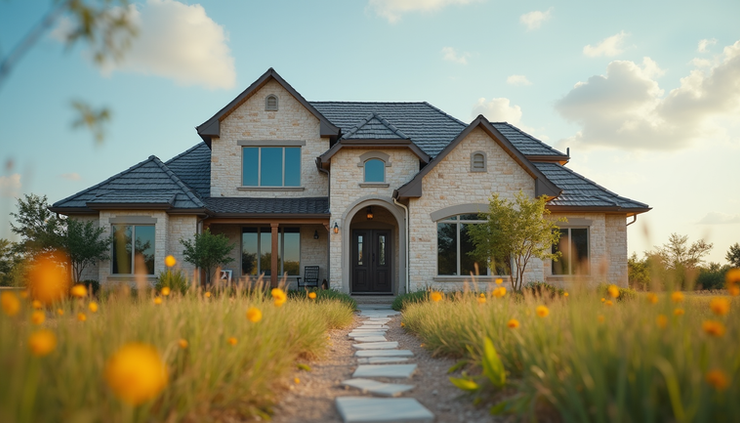
What Are Wind Ratings?
Wind ratings refer to the classification of buildings based on their ability to resist wind forces. These ratings indicate the maximum wind speed a structure can safely withstand without sustaining significant damage. Wind ratings are determined by building codes, engineering standards, and testing methods that consider factors such as:
Wind speed and pressure
Building materials and construction techniques
Geographic location and exposure to wind
Building shape and height
In Texas, wind ratings are especially important because the state experiences hurricanes, tornadoes, and severe thunderstorms that generate high wind speeds. The wind rating helps ensure that buildings can protect occupants and property during these events.
How Wind Ratings Are Determined in Texas
Texas follows the International Building Code (IBC) and the American Society of Civil Engineers (ASCE) standards, specifically ASCE 7, which provides guidelines for minimum design loads for buildings, including wind loads. The process to determine wind ratings involves:
Identifying the Wind Speed Zone
Texas is divided into different wind speed zones based on historical weather data. Coastal areas like Houston and Galveston face higher wind speeds due to hurricanes, while inland regions have lower but still significant wind risks.
Assessing Exposure Category
This considers the surrounding terrain, such as open fields, urban areas, or wooded regions, which affect wind speed impact on buildings.
Evaluating Building Importance
Critical facilities like hospitals and emergency centers require higher wind resistance compared to standard residential buildings.
Calculating Design Wind Loads
Engineers use formulas from ASCE 7 to calculate the forces that wind will exert on a building’s components.
Assigning a Wind Speed Rating
The final rating is expressed in miles per hour (mph), indicating the wind speed the building can resist.
Why Wind Ratings Matter for Texas Buildings
Protecting Lives and Property
Strong winds can cause structural failures, roof damage, broken windows, and flying debris hazards. Buildings with proper wind ratings reduce the risk of collapse or severe damage, protecting occupants and minimizing repair costs.
Meeting Legal Requirements
Texas building codes require compliance with wind ratings to obtain permits and pass inspections. Non-compliance can lead to fines, insurance issues, or denial of occupancy.
Reducing Insurance Premiums
Insurance companies often offer lower premiums for buildings constructed to higher wind ratings. This reflects the reduced risk of wind-related claims.
Enhancing Property Value
Homes and commercial buildings designed to withstand high winds are more attractive to buyers, especially in regions prone to storms.
Examples of Wind Ratings in Texas
Coastal Homes
In areas like Corpus Christi or Galveston, buildings often require wind ratings of 130 mph or higher due to hurricane risks. These homes use reinforced roofing, impact-resistant windows, and strong framing.
Inland Cities
Cities like Dallas or Austin may have wind ratings around 90 to 110 mph, reflecting tornado and thunderstorm risks. Construction focuses on secure anchoring and durable materials.
Critical Infrastructure
Hospitals and emergency shelters may be designed for wind speeds exceeding 150 mph to ensure continuous operation during storms.
Building Techniques to Meet Wind Ratings
Builders use several methods to achieve the necessary wind resistance:
Roof Reinforcement
Using hurricane straps, clips, and stronger fasteners to secure roofs to walls.
Impact-Resistant Windows and Doors
Installing laminated glass or shutters to prevent breakage.
Strong Wall Connections
Ensuring walls are properly anchored to foundations and each other.
Aerodynamic Design
Designing roofs and walls to reduce wind pressure and uplift.
Regular Maintenance
Inspecting and repairing vulnerable areas to maintain wind resistance over time.
What Homeowners Should Know About Wind Ratings
Check Local Codes
Verify the required wind rating for your area before building or renovating.
Hire Qualified Professionals
Work with architects and engineers familiar with Texas wind standards.
Invest in Quality Materials
Choose products tested for wind resistance to improve safety.
Consider Insurance Benefits
Ask your insurer about discounts for wind-rated construction.
Prepare for Storms
Even with wind-rated buildings, have a safety plan and emergency supplies.
The Future of Wind-Resistant Building in Texas
As climate patterns evolve, Texas may face more frequent and intense wind events. Advances in materials science and construction technology will improve wind resistance further. Innovations like smart sensors to monitor structural integrity during storms and new composite materials could become standard.
Communities and policymakers are also focusing on resilience, encouraging stronger building codes and incentives for wind-resistant construction. This approach helps protect lives, reduce economic losses, and support faster recovery after storms.


Comments