
Insulated Panels vs Spray Foam A Comprehensive Comparison of Insulation Options
Choosing the right insulation for your building project can significantly impact energy efficiency, comfort, and long-term costs. Two popular options are insulated panels and spray foam insulation. Each has unique benefits and drawbacks that suit different applications and budgets. This post breaks down the key differences to help you decide which insulation method fits your needs best.
What Are Insulated Panels?
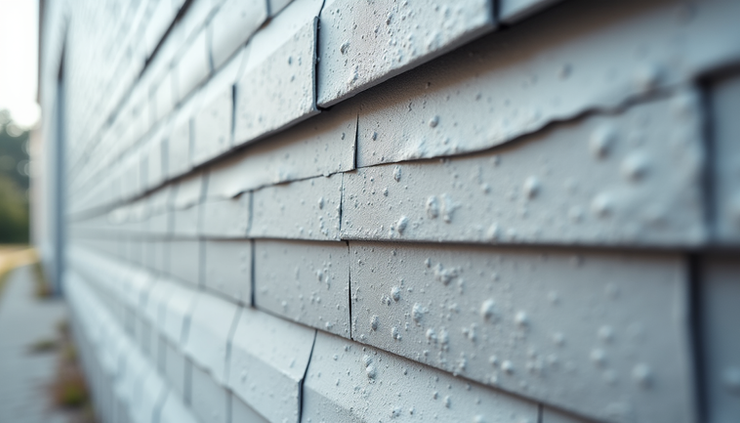
Insulated panels, often called structural insulated panels (SIPs), consist of rigid foam insulation sandwiched between two structural boards, usually oriented strand board (OSB). These panels come prefabricated in various thicknesses and sizes, ready to be installed on walls, roofs, or floors.
Advantages of Insulated Panels
High thermal resistance: The foam core provides excellent insulation, reducing heat transfer.
Speed of installation: Prefabricated panels fit together quickly, cutting down construction time.
Structural strength: Panels add rigidity to the building frame, improving durability.
Consistent quality: Factory production ensures uniform insulation and fewer gaps.
Reduced air leakage: Tight seams between panels limit drafts and energy loss.
Common Uses
Insulated panels are popular in residential homes, commercial buildings, and cold storage facilities. They work well where fast construction and strong insulation are priorities.
What Is Spray Foam Insulation?
Spray foam insulation is a liquid polyurethane that expands on application, filling cavities and hard-to-reach spaces. It comes in two main types: open-cell and closed-cell foam, each with different densities and insulation values.
Advantages of Spray Foam
Superior air sealing: Spray foam expands to fill cracks and gaps, creating an airtight barrier.
High R-value per inch: Closed-cell spray foam offers one of the highest insulation values available.
Moisture resistance: Closed-cell foam acts as a vapor barrier, reducing mold risk.
Versatility: It can be applied to irregular shapes, around pipes, and in tight spaces.
Adds structural strength: Closed-cell foam can increase wall rigidity.
Common Uses
Spray foam is widely used in retrofit projects, new construction, and areas where air sealing is critical, such as attics, crawl spaces, and rim joists.
Comparing Insulation Performance
Thermal Resistance (R-value)
Insulated Panels: Typically have an R-value between 4 and 7 per inch, depending on the foam type.
Spray Foam: Closed-cell foam offers about R-6 to R-7 per inch, while open-cell foam provides around R-3.5 to R-4 per inch.
Both options provide strong insulation, but spray foam can achieve higher R-values in less thickness, which is useful in space-limited areas.
Air and Moisture Control
Spray foam excels at sealing air leaks due to its expanding nature. Closed-cell foam also blocks moisture effectively. Insulated panels rely on tight joints and proper sealing during installation to prevent air infiltration. Without careful sealing, gaps can reduce their effectiveness.
Installation Time and Complexity
Insulated panels allow for rapid assembly since they come pre-made. Spray foam requires specialized equipment and trained installers. Application can be messy and requires curing time. Panels may be better for large-scale projects needing quick enclosure.
Cost Considerations
Insulated Panels: Generally have a higher upfront material cost but save labor time.
Spray Foam: Can be more expensive per square foot, especially closed-cell foam, and requires professional installation.
Long-term energy savings depend on installation quality and building design.
Environmental Impact and Sustainability
Insulated panels often use foam cores made from polystyrene or polyurethane, which have environmental concerns related to production and disposal. Spray foam also involves chemicals with global warming potential, though newer formulations aim to reduce this.
Choosing insulation with recycled content or low-VOC emissions can improve sustainability. Both options contribute to energy efficiency, reducing a building’s carbon footprint over time.
Practical Examples
A homeowner in a cold climate chose insulated panels for their new home to speed up construction and ensure consistent insulation. The panels provided a tight building envelope, reducing heating costs by 30% compared to traditional fiberglass.
A renovation project in an older home used spray foam to seal attic gaps and rim joists. The foam’s expansion filled irregular cavities, eliminating drafts and moisture issues that previous insulation missed.
Maintenance and Longevity
Insulated panels are durable and resist settling or sagging. Spray foam can degrade if exposed to UV light or moisture over time but generally lasts for decades when protected inside walls.
Both types require proper installation to avoid issues like mold growth or air leaks.
Choosing the Right Option for Your Project
Consider these factors when deciding between insulated panels and spray foam:
Project type: New construction may benefit from panels; retrofits often suit spray foam.
Budget: Panels can reduce labor costs; spray foam may have higher material and installation fees.
Climate: Spray foam’s air sealing is valuable in extreme climates.
Space constraints: Spray foam offers high R-value in thin layers.
Environmental goals: Look for low-impact materials and certifications.
Summary
Insulated panels and spray foam each offer strong insulation with distinct advantages. Panels provide fast installation and structural support, while spray foam excels at air sealing and filling irregular spaces. Your choice depends on your project’s specific needs, budget, and priorities.
For a well-insulated, energy-efficient building, focus on quality installation and materials. Consulting with insulation professionals can help tailor the best solution for your home or commercial space.

Thank you for sharing this — comparing insulated panels and spray foam is a valuable exercise for anyone serious about building performance, with each option offering distinct advantages in thermal resistance, air sealing, and installation flexibility. Aurora Insulation Contractors brings the expertise to evaluate both solutions against your specific project needs and deliver the right insulation system for lasting energy efficiency and comfort.