
Transform Your Texas Backyard into a Functional and Stylish Shop
Creating a backyard shop in Texas offers a unique chance to blend practicality with personal style. Whether you need a space for woodworking, gardening, or a quiet retreat for hobbies, your backyard shop can become a valuable extension of your home. With thoughtful design and smart planning, you can build a shop that fits your needs and complements the Texas landscape.
Choosing the Right Location and Size
Start by selecting the best spot in your backyard. Consider these factors:
Sunlight and Shade: A location with balanced sunlight helps regulate temperature inside the shop.
Accessibility: Place the shop where it’s easy to reach from your home and driveway.
Space for Expansion: Leave room for future additions or outdoor work areas.
For size, think about your current and future needs. A compact 10x12-foot shop might suit small projects, while larger setups of 20x30 feet or more accommodate bigger tools and storage.
Designing for Texas Weather
Texas weather varies from hot summers to occasional storms. Your shop design should address these challenges:
Insulation: Use quality insulation to keep the interior cool in summer and warm in winter.
Ventilation: Install windows and vents to promote airflow and reduce humidity.
Durable Roofing: Choose materials like metal or shingles that withstand heat and heavy rain.
Raised Foundation: Elevate the shop slightly to prevent flooding during heavy rains.
Adding a covered porch or awning can provide shade and a comfortable outdoor workspace.
Selecting Materials That Fit the Style and Function
Materials affect both the look and durability of your shop. Popular choices include:
Wood: Offers a classic, rustic appearance and good insulation but requires maintenance.
Metal: Durable and low-maintenance, ideal for modern or industrial styles.
Concrete Blocks: Strong and fire-resistant, suitable for permanent structures.
Consider combining materials for a unique look, such as a wood frame with metal siding.
Organizing the Interior for Efficiency
A well-organized interior boosts productivity and enjoyment. Use these tips:
Work Zones: Divide the space into areas for tools, workbenches, and storage.
Vertical Storage: Install shelves and pegboards to keep tools off the floor.
Lighting: Use bright LED lights and task lighting for detailed work.
Power Outlets: Plan for enough electrical outlets to avoid extension cords.
Adding a small sink or utility area can make cleaning up easier.
Adding Personal Touches and Style
Your backyard shop should reflect your personality. Ideas to customize include:
Color Palette: Choose paint colors that blend with your home or stand out as a statement.
Decorative Elements: Add shutters, flower boxes, or rustic signs.
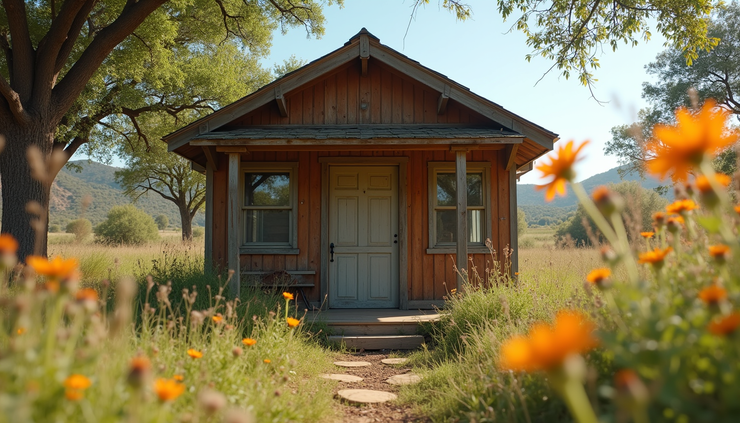
Outdoor Landscaping: Surround the shop with native Texas plants like bluebonnets or sage for a natural look.
Seating Area: Include a bench or chairs outside for breaks or socializing.
These touches make the shop inviting and enjoyable beyond just a workspace.
Planning Utilities and Technology
Think about the utilities your shop will need:
Electricity: Essential for lighting, power tools, and heating or cooling.
Water Supply: Useful for cleaning or gardening tasks.
Internet Access: If you plan to use the shop for remote work or research.
Solar panels can be a smart addition for energy efficiency, especially in sunny Texas.
Building Permits and Regulations in Texas
Before construction, check local building codes and zoning laws. Texas cities and counties have different rules regarding:
Size Limits: Maximum allowable square footage for backyard structures.
Setbacks: Required distance from property lines.
Permits: Necessary approvals for electrical and plumbing work.
Consult your local building department to avoid fines or delays.
Examples of Popular Backyard Shop Uses in Texas
Many Texans use backyard shops for:
Woodworking Studios: Equipped with saws, workbenches, and dust collection.
Garden Sheds: Storage for tools, potting benches, and seed storage.
Art Studios: Bright spaces with natural light and storage for supplies.
Home Offices: Quiet retreats with desks, shelves, and internet access.
Each use influences the design and layout, so tailor your shop to your main activities.
Maintenance Tips for Longevity
Keep your shop in good shape with regular care:
Inspect Roof and Siding: Look for damage after storms.
Clean Gutters and Vents: Prevent water buildup and improve airflow.
Repaint or Stain Wood: Protect against weathering.
Check Electrical Systems: Ensure safety and functionality.
Routine maintenance extends the life of your investment.


Comments