
Revitalize Your Ranch with Stunning Native Texas Plants and Trees
- sean40532
- 3 days ago
- 4 min read
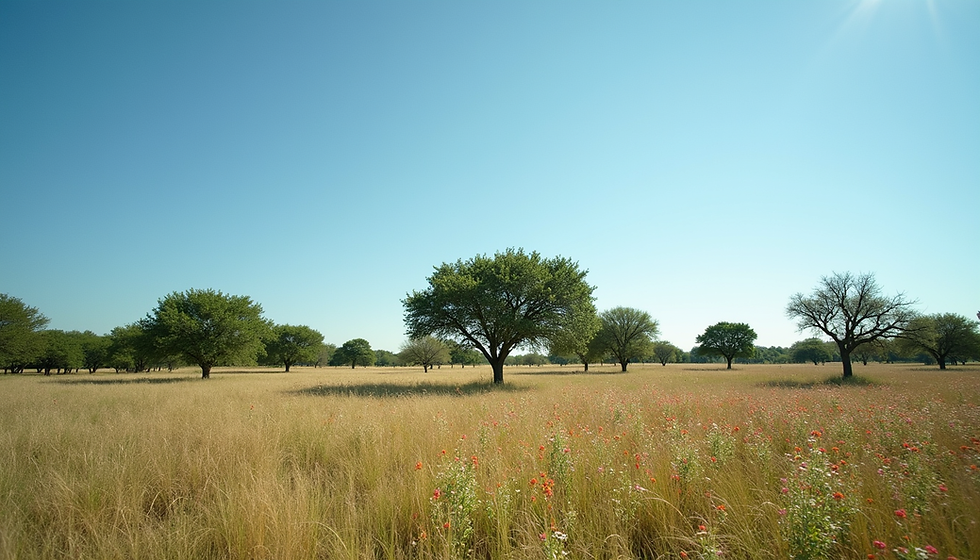
Transforming your ranch landscape with native Texas plants and trees offers more than just beauty. It creates a sustainable, low-maintenance environment that thrives in local conditions, supports wildlife, and preserves the natural heritage of the region. Whether you manage a sprawling ranch or a smaller property, choosing native species can enhance your land’s health and appearance while reducing water use and upkeep.
Native plants and trees are adapted to Texas’s unique climate and soil, making them resilient through droughts, heat, and occasional cold snaps. This post explores how you can revitalize your ranch by incorporating these native species, practical tips for planting and care, and examples of standout plants and trees that will bring life and character to your land.

Why Choose Native Texas Plants and Trees for Your Ranch
Native plants and trees offer several advantages over non-native species. They have evolved to thrive in Texas’s diverse ecosystems, from the Hill Country to the Piney Woods and the South Texas plains. This adaptation means they require less water, fertilizer, and pesticides, which lowers maintenance costs and environmental impact.
Native vegetation also supports local wildlife, including pollinators like bees and butterflies, birds, and beneficial insects. By planting native species, you create a balanced ecosystem that encourages biodiversity and natural pest control.
Additionally, native plants help prevent soil erosion and improve soil health. Their deep root systems stabilize the ground and increase water infiltration, which is especially important on ranches where land conservation is a priority.
Selecting the Right Native Trees for Your Ranch
Choosing native trees depends on your ranch’s location, soil type, and the purpose of planting. Trees can provide shade for livestock, windbreaks, erosion control, or simply add aesthetic value.
Here are some native Texas trees that perform well on ranches:
Live Oak (Quercus virginiana)
Known for its sprawling branches and evergreen leaves, live oak provides excellent shade and habitat for wildlife. It is drought-tolerant once established and can live for centuries.
Bald Cypress (Taxodium distichum)
Ideal for wetter areas or near ponds, bald cypress trees have distinctive “knees” that help with water absorption. Their fall color adds seasonal interest.
Texas Red Oak (Quercus buckleyi)
This oak species offers brilliant red foliage in autumn and grows well in rocky or limestone soils common in parts of Texas.
Pecan Tree (Carya illinoinensis)
Beyond shade, pecan trees produce nuts that can be harvested. They prefer deep, fertile soil and moderate moisture.
Mesquite (Prosopis glandulosa)
A hardy tree that tolerates drought and poor soils. Mesquite provides shade and fixes nitrogen in the soil, improving fertility.
When planting trees, consider spacing to allow mature growth and avoid overcrowding. Protect young trees from grazing animals with fencing or tree guards.
Incorporating Native Plants to Enhance Ranch Grounds
Native plants add color, texture, and seasonal interest to your ranch landscape. They also attract pollinators and beneficial insects that support the health of your land.
Some popular native Texas plants for ranches include:
Bluebonnet (Lupinus texensis)
The state flower of Texas, bluebonnets bloom in spring with vibrant blue flowers. They grow well in well-drained soils and full sun.
Indian Blanket (Gaillardia pulchella)
This wildflower features red and yellow blooms that attract butterflies and thrive in dry, sandy soils.
Blackfoot Daisy (Melampodium leucanthum)
A tough perennial with white daisy-like flowers, it tolerates heat and drought, making it perfect for low-maintenance areas.
Texas Sage (Leucophyllum frutescens)
A shrub with silvery leaves and purple flowers, Texas sage blooms after rain and requires little water.
Purple Coneflower (Echinacea purpurea)
Known for its medicinal properties, this plant also attracts bees and birds, adding ecological value.
Plant native wildflowers and shrubs in clusters or naturalistic groupings to mimic their natural growth patterns. This approach creates a more authentic look and supports wildlife habitats.
Practical Tips for Planting and Maintaining Native Species
To ensure success with native plants and trees, follow these practical steps:
Prepare the soil
Test your soil to understand its pH and nutrient levels. Most native plants prefer well-drained soil but can tolerate a range of conditions. Avoid over-amending soil, as native species thrive in local conditions.
Choose the right planting time
Early spring or fall are ideal for planting to avoid extreme heat and give roots time to establish.
Water wisely
While native plants are drought-tolerant, they need regular watering during the first year. After that, natural rainfall usually suffices.
Control invasive species
Remove invasive plants that compete with natives for resources. This helps your native plants flourish.
Mulch around plants
Use organic mulch to retain moisture, regulate soil temperature, and reduce weeds.
Protect young plants
Use fencing or tree shelters to protect new trees and shrubs from livestock or wildlife damage.
Benefits Beyond Beauty
Using native Texas plants and trees on your ranch goes beyond aesthetics. It supports sustainable land management by reducing water use and chemical inputs. It also creates a habitat for native wildlife, contributing to the ecological health of your property.
Ranchers who have embraced native landscaping report lower maintenance costs and improved soil conditions. For example, a ranch in Central Texas replaced non-native grasses with native wildflowers and saw a significant increase in pollinator activity and soil moisture retention.
Bringing It All Together on Your Ranch
Start by assessing your ranch’s specific conditions: soil type, sun exposure, and water availability. Select native trees and plants suited to these conditions and your goals, whether shade, erosion control, or wildlife habitat.
Plan your landscape with a mix of trees, shrubs, and wildflowers to create layers and diversity. This variety supports different species and adds visual interest throughout the year.
Consult local nurseries or extension services for native plant sources and advice tailored to your region. They can help you find the best species and planting techniques.


Comments