
Innovative Ways Farmers Utilize Utility Buildings for Improved Efficiency
Farmers face many challenges in managing their land, equipment, and livestock efficiently. One key factor that often makes a significant difference is how they use utility buildings on their farms. These structures are more than just storage spaces; they serve multiple purposes that help farmers save time, protect valuable assets, and improve overall productivity. This post explores practical and creative ways farmers use utility buildings to support their daily operations and long-term goals.
Storage and Protection of Equipment
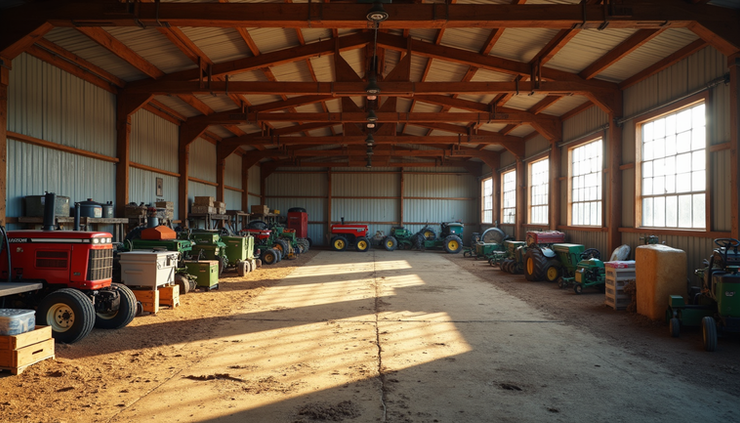
One of the most common uses of utility buildings is storing farm machinery and tools. Tractors, plows, seeders, and harvesters represent significant investments. Keeping them sheltered from harsh weather conditions such as rain, snow, and intense sun prevents rust, mechanical failures, and wear. This protection extends the lifespan of equipment and reduces repair costs.
Farmers often customize these buildings with wide doors and high ceilings to accommodate large machines. Some even install concrete floors to provide a stable, clean surface that supports heavy loads and prevents mud tracking inside. Organized storage racks and tool benches inside utility buildings help farmers quickly find what they need, reducing downtime during busy seasons.
Livestock Housing and Shelter
Utility buildings also serve as shelters for animals, especially during extreme weather or for young livestock needing special care. Farmers use barns, sheds, and other utility structures to house cattle, sheep, goats, and poultry. These buildings provide a controlled environment that protects animals from predators, cold, heat, and rain.
Some farmers design utility buildings with ventilation systems and insulated walls to maintain comfortable temperatures year-round. This helps reduce stress on animals, which can improve growth rates and milk production. Portable utility buildings are sometimes used to create temporary shelters in different pasture areas, allowing farmers to rotate grazing and manage land sustainably.
Feed and Supply Storage
Proper storage of feed and supplies is critical to farm efficiency. Utility buildings offer a dry, secure place to keep hay, grain, fertilizers, pesticides, and seeds. Moisture and pests can spoil feed and chemicals, leading to waste and financial loss. Farmers often install shelving units, bins, and pallets inside these buildings to organize supplies and keep them off the ground.
Some utility buildings are equipped with climate control features to maintain optimal humidity and temperature levels. This is especially important for storing seeds that require specific conditions to remain viable for planting. By keeping supplies well-organized and protected, farmers can plan their work better and avoid last-minute trips to purchase materials.
Workshop and Repair Space
Farming equipment requires regular maintenance and occasional repairs. Utility buildings frequently double as workshops where farmers can perform mechanical work, welding, and carpentry. Having a dedicated space for repairs means farmers can fix problems quickly without waiting for outside help, which can be costly and time-consuming.
Workshops inside utility buildings are often equipped with workbenches, tool storage, and power outlets. Some farmers install lifts or hoists to handle heavy parts safely. This setup allows them to maintain equipment in peak condition, reducing breakdowns during critical farming periods.
Crop Processing and Storage
In some cases, utility buildings are adapted for processing and storing crops. For example, farmers growing fruits, vegetables, or grains may use these structures for cleaning, sorting, drying, or packaging their produce. This adds value to their products and allows them to sell directly to consumers or local markets.
Utility buildings used for crop storage often include features like ventilation fans, temperature controls, and shelving systems. These help maintain freshness and prevent spoilage. Farmers growing specialty crops such as herbs or mushrooms may also use controlled-environment utility buildings to optimize growing conditions.
Office and Administrative Space
Modern farming involves more than just physical labor. Farmers need space to manage records, plan crop rotations, handle finances, and communicate with suppliers and customers. Some utility buildings are converted into small offices or meeting rooms on the farm.
These spaces provide a quiet, organized environment for administrative tasks. They may include desks, computers, filing cabinets, and internet connections. Having an on-site office helps farmers stay organized and make informed decisions quickly, improving overall farm management.
Renewable Energy and Sustainability
Utility buildings can support sustainable farming practices by housing renewable energy systems. For example, solar panels installed on the roofs of these buildings generate electricity to power farm operations. Some farmers use utility buildings to store batteries, inverters, and other equipment related to renewable energy.
Additionally, utility buildings can be designed to collect rainwater for irrigation or livestock use. This reduces dependence on external water sources and lowers costs. By integrating sustainability features into utility buildings, farmers contribute to environmental conservation while improving efficiency.
Seasonal and Temporary Uses
Farmers often adapt utility buildings for seasonal or temporary needs. During planting or harvest seasons, these buildings may serve as staging areas for equipment and supplies. They can also provide shelter for seasonal workers or serve as temporary storage for crops waiting to be transported.
Some farmers use portable or modular utility buildings that can be moved or reconfigured as farm needs change. This flexibility allows them to respond quickly to market demands, weather conditions, or changes in farm size.
Security and Safety
Utility buildings play a key role in protecting valuable farm assets from theft and vandalism. Farmers often install locks, alarms, and surveillance cameras to secure these structures. Well-lit utility buildings deter unauthorized access and help farmers monitor their property.
Safety is another important consideration. Utility buildings provide a controlled environment for storing hazardous materials such as pesticides and fuels, keeping them away from children, animals, and the environment. Proper ventilation and fire safety measures inside these buildings reduce risks associated with flammable substances.
Utility buildings are essential to modern farming, serving many roles beyond simple storage. By using these structures creatively, farmers protect their equipment, care for animals, organize supplies, and improve their overall workflow. Whether through workshops, crop processing areas, or renewable energy support, utility buildings help farmers work smarter and more efficiently.
Farmers looking to improve their operations should assess how they currently use their utility buildings and explore ways to adapt them for multiple purposes. Small changes like adding shelving, improving ventilation, or creating dedicated workspaces can lead to big gains in productivity and cost savings. The right utility building setup supports a farm’s success today and prepares it for future challenges.
Start by identifying your farm’s most pressing needs and consider how your utility buildings can meet them. With thoughtful planning and practical adjustments, these structures become powerful tools that help your farm thrive.


Comments